Devon Flores · 2 September 2026
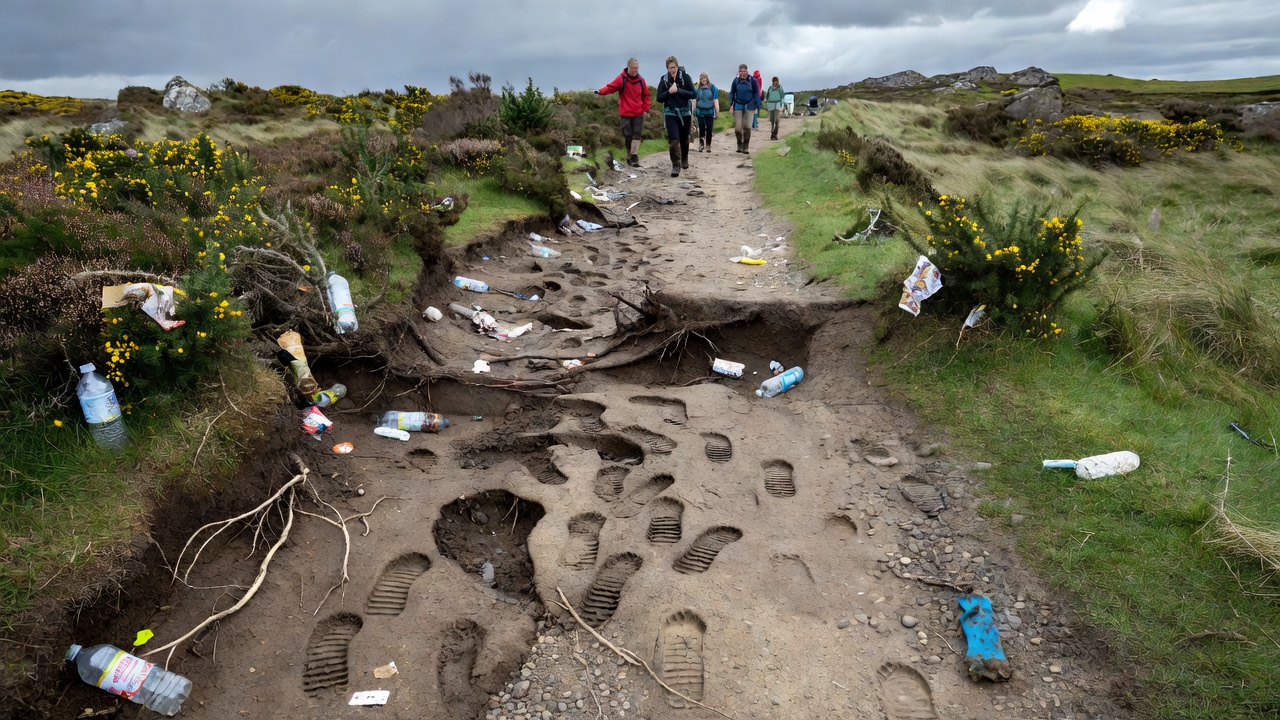
A recent study by the University of Manchester has quantified the effects of increased visitor numbers on rural footpaths across northern England. Researchers monitored erosion rates, soil compaction and biodiversity changes at 12 sites over 18 months, finding that paths experiencing more than 50,000 annual visitors showed a 34 percent increase in surface degradation compared with less frequented routes.
Key Findings from the Research
Data collected via drone surveys and on-site sensors indicated that popular trails near national park entrances suffered the most. Soil samples revealed elevated nitrogen levels from foot traffic and litter, correlating with a 22 percent decline in native plant species. The study also noted that seasonal peaks during summer months accelerated wear, with some paths widening by up to 1.8 metres as walkers avoided muddy sections.
Lead author Dr Helen Carver emphasised that economic benefits from tourism remain significant, contributing £1.2 billion annually to regional economies. However, the report stresses that without intervention, path infrastructure costs could rise by 40 percent within five years. Comparative analysis with Scottish Highland trails showed similar patterns, suggesting the issue extends beyond England.
Management Recommendations
The researchers propose targeted measures including reinforced surfacing on high-traffic segments, seasonal visitor caps and improved signage to distribute footfall. Local councils are encouraged to adopt real-time monitoring apps that alert authorities to emerging erosion hotspots. Funding models involving tourism levies are under consideration to support maintenance without burdening residents.
Stakeholders including the Ramblers Association and National Trust have welcomed the findings, calling for coordinated national policy. The study concludes that balanced management can preserve access while protecting these vital green corridors for future generations.