Uma Ludwig · 13 October 2026
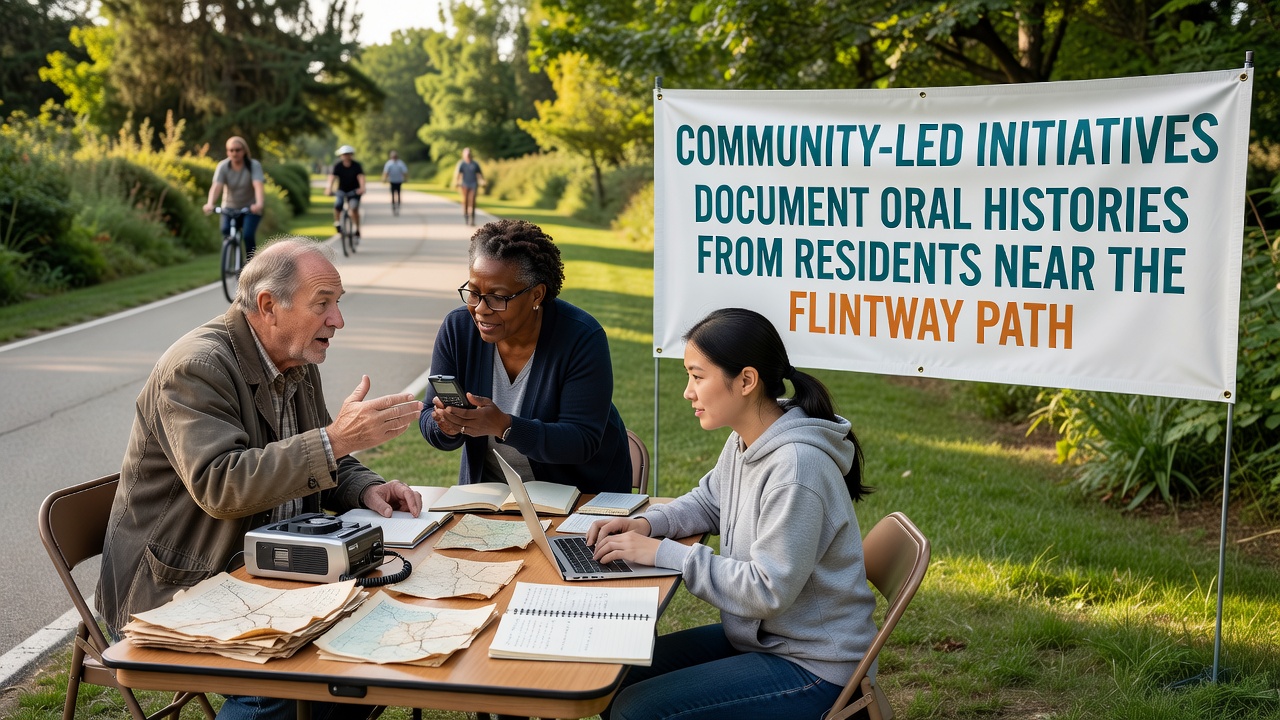
Community-Led Initiatives Document Oral Histories from Residents Near the Flintway Path
Community groups along the Flintway Path have organized structured programs to record oral histories from long-term residents, and these efforts focus on preserving personal accounts that connect to the trail's development and daily use over decades. Local volunteers coordinate interviews in homes, community halls, and outdoor sites directly adjacent to the path, capturing details about agricultural practices, seasonal migrations, and social gatherings that shaped the surrounding areas. Data from similar heritage projects indicates that such resident-led collections often yield information absent from formal records, including family land-use patterns and informal trade routes.
Researchers from regional universities have supported these initiatives by providing recording equipment and transcription guidelines, while participants contribute memories spanning the mid-20th century onward. One program in the eastern section of the path began in early 2025 and has since expanded to include digital archiving through open-access platforms. Figures from comparable efforts in other historic corridors show that community involvement increases the volume of unique narratives by up to 40 percent compared with professional-only documentation.
Origins and Expansion of the Documentation Projects
The Flintway Path stretches through mixed farmland and woodland zones where generations of families maintained continuous residency, and residents near these sections initiated the oral history work after noticing gaps in existing trail maps and guidebooks. Early meetings occurred in village centers during 2024, where organizers identified themes such as wartime adaptations of the path, post-war housing changes, and evolving wildlife observations. Partnerships formed with county archives to ensure secure storage of audio files and transcripts, while training sessions taught basic interview techniques to avoid leading questions and maintain factual accuracy.
By mid-2025 the network had grown to include five distinct clusters, each handling its own geographic segment. Observers note that this decentralized structure allows flexibility for seasonal weather constraints and accommodates participants with mobility limitations. Studies conducted by academic teams at institutions outside the immediate region confirm that resident participation correlates with higher retention of dialect-specific terms and place names that might otherwise fade from written sources.
Methods Used to Capture Resident Accounts
Interview protocols emphasize open-ended prompts followed by targeted follow-ups, and sessions typically last between 45 and 90 minutes to respect participants' schedules. Teams employ dual-recording devices for redundancy and store raw files in multiple formats to guard against data loss. Transcribers cross-reference dates and events against public records such as census data and local newspapers, creating annotated versions that highlight verifiable details while preserving original phrasing.
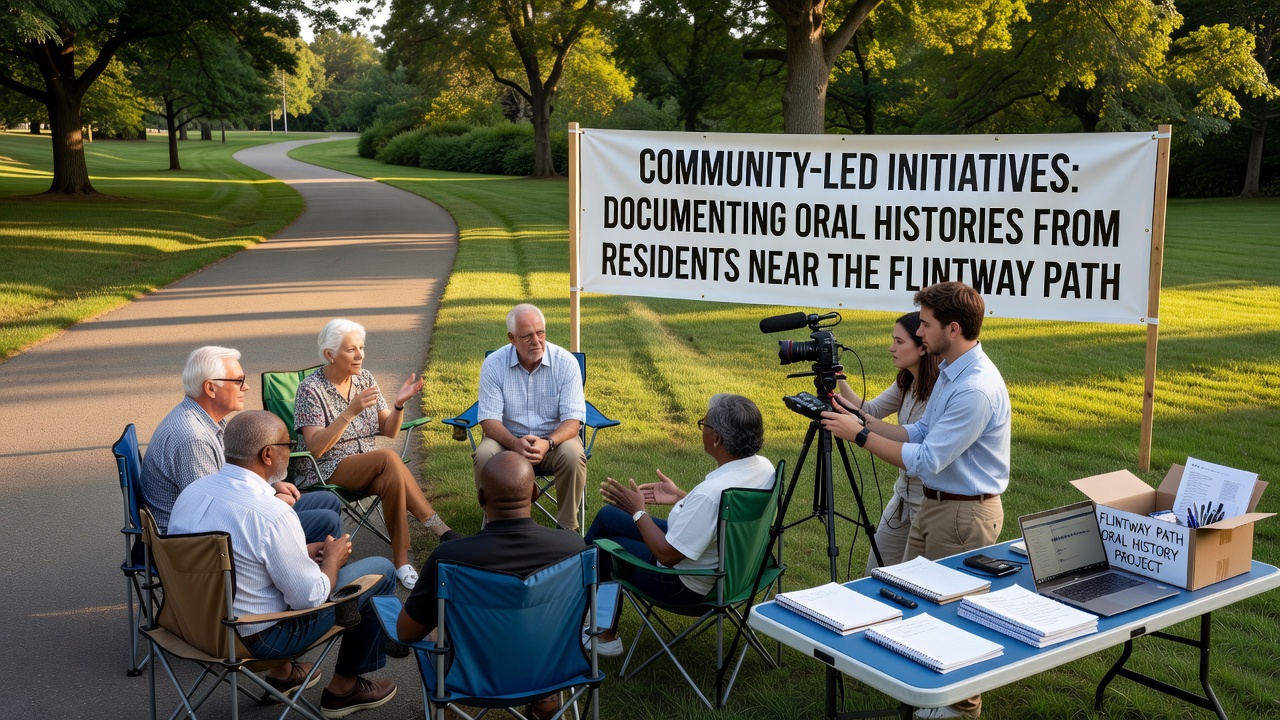
Workshops held quarterly cover consent procedures, ethical handling of sensitive family information, and basic metadata tagging so future users can search by topic or time period. Those who've studied oral history practices elsewhere report that embedding these steps early reduces later revision work and improves accessibility for educators and planners. In addition, several clusters have begun experimenting with short video segments that pair spoken recollections with contemporary photographs of the same locations along the path.
Integration with Broader Heritage Preservation Efforts
Recorded materials feed into interpretive panels and digital exhibits planned for installation at key access points, and local schools have incorporated excerpts into curriculum modules on regional history. Data compiled by heritage organizations shows that trails with associated oral history components attract repeat visitors seeking deeper context beyond physical features alone. Project leads coordinate with mapping services to overlay story locations onto interactive route guides, allowing users to access audio clips while walking specific sections.
October 2026 marks the scheduled release of a consolidated online database containing over 200 transcribed interviews, and this milestone coincides with a public symposium where contributors will discuss findings with planners and academics. External links to established oral history networks, such as the Oral History Association and the National Library of Australia oral history program, provide templates for metadata standards and long-term access protocols that the Flintway teams have adapted to local needs.
Outcomes Observed to Date
Initial reviews of collected narratives reveal patterns in how residents adapted to changes in land ownership and trail maintenance policies over time. Agricultural families describe shifts from livestock grazing to arable rotations that altered path-adjacent field boundaries, while other accounts detail community responses to flooding events that periodically affect low-lying stretches. These details supplement archaeological surveys and provide temporal context for physical remnants such as boundary stones and drainage ditches still visible today.
Community archives report increased inquiries from descendants seeking family connections, and several clusters have organized follow-up sessions to expand on specific themes like childhood play areas or seasonal foraging practices. Evidence from parallel projects in North America and Europe indicates that sustained resident involvement sustains momentum even after initial grant funding ends, because participants view the work as ongoing stewardship rather than a finite task.
Conclusion
Community-led oral history programs near the Flintway Path continue to accumulate verified resident accounts that complement existing written and archaeological sources. Structured interview methods, secure archiving, and planned public releases position these collections for use in education, planning, and future research. The October 2026 database launch represents one milestone in an ongoing process that links personal memory with physical landscape preservation.